Free call-outs & quotes · MBA members for 20+ years

Tag: gutter damage

  • Blocked Gutters: A Hidden Cause of Roof Leaks in the Rainy Season

    Blocked Gutters: A Hidden Cause of Roof Leaks in the Rainy Season

    When the rainy season hits, most homeowners blame roof leaks on cracked tiles or old waterproofing. But one of the most common — and most overlooked — causes is blocked gutters. A gutter that can’t drain properly quickly becomes a channel for water damage, roof leaks, mould growth, and even structural issues.

    Understanding why this happens (and how to prevent it) can save homeowners thousands in repairs.

    🌧️ Why Blocked Gutters Lead to Roof Leaks

    Blocked gutters stop rainwater from flowing away from your roof. Instead, the water builds up and starts looking for an escape route — and that escape route is often into your home.

    What actually happens:

    • Overflowing water seeps under roof tiles, damaging underlay and ceilings.
    • Standing water adds weight, causing gutters to sag or pull away from fascia boards.
    • Water runs down walls, leading to damp, mould, and bubbling paint.
    • Debris traps moisture, accelerating rust on metal gutters.

    Even a small blockage can cause major damage during a heavy Gauteng thunderstorm.

    🏠 Common Causes of Gutter Blockages

    Blocked gutters are usually caused by a combination of:

    • Leaves and branches from nearby trees
    • Bird nests and other debris
    • Wind-blown dirt and seeds that compact over time
    • Old gutters that have warped or sagged
    • Poor installation that prevents proper water flow

    In older suburbs like Alberton, Brakpan, and Germiston, mature trees and older roofing systems make this even more common.

    🔍 Warning Signs Your Gutters Are Blocked

    Homeowners often miss the early signs. Look out for:

    • Water spilling over the sides during rain
    • Damp patches on ceilings or walls
    • Mould or mildew smells
    • Sagging or bent gutters
    • Plants growing inside the gutter
    • Rust streaks or peeling paint on fascia boards

    If any of these appear, the gutters need urgent attention.

    🛠️ How Blocked Gutters Damage Your Roof

    Blocked gutters don’t just cause leaks — they create a chain reaction of damage:

    • Roof underlay becomes soaked, losing its waterproofing ability
    • Wooden rafters absorb moisture, leading to rot
    • Ceiling boards swell and crack
    • Electrical wiring in the ceiling becomes unsafe
    • Exterior walls develop rising damp

    This is why gutter maintenance is one of the most cost‑effective ways to protect a home.

    ✔️ How to Prevent Gutter‑Related Roof Leaks

    A few simple steps can prevent expensive repairs:

    • Clean gutters at least twice a year, especially before rainy season
    • Trim overhanging branches to reduce leaf buildup
    • Install gutter guards to block debris
    • Check downpipes for clogs or slow drainage
    • Inspect gutters after storms for damage or sagging
    • Ensure gutters are correctly angled for proper water flow

    Regular maintenance is far cheaper than repairing water‑damaged ceilings or replacing roof structures.

    🧰 When to Call a Professional

    DIY cleaning works for minor debris, but call a professional if:

    • Water is leaking into the house
    • Gutters are sagging or pulling away
    • There’s mould on ceilings or walls
    • You suspect roof tile or waterproofing damage
    • The gutters haven’t been cleaned in years

    A trained technician can inspect the entire drainage system, identify hidden issues, and prevent future leaks.

    📞 Need Help With Gutter Cleaning or Roof Leak Repairs?

    Blocked gutters can cause serious damage — but with the right maintenance, you can protect your home all year round.

    Get a Free Roof Assessment

    Whether you’re looking to refresh your home’s appearance or protect it from future damage, our team is ready to help. Get a free quote or inspection from Johannesburg’s trusted roofing specialists.

     Contact Roof Surgeon Today or call us for expert advice.

     Call us at: 011 868 3243
     Email: admin@roofsurgeon.co.za
     Request your free quote online: www.roofsurgeon.co.za

    If you found this article interesting, please visit our Common Summer Roof Damage in Johannesburg (And How to Spot It Early) article for more information.

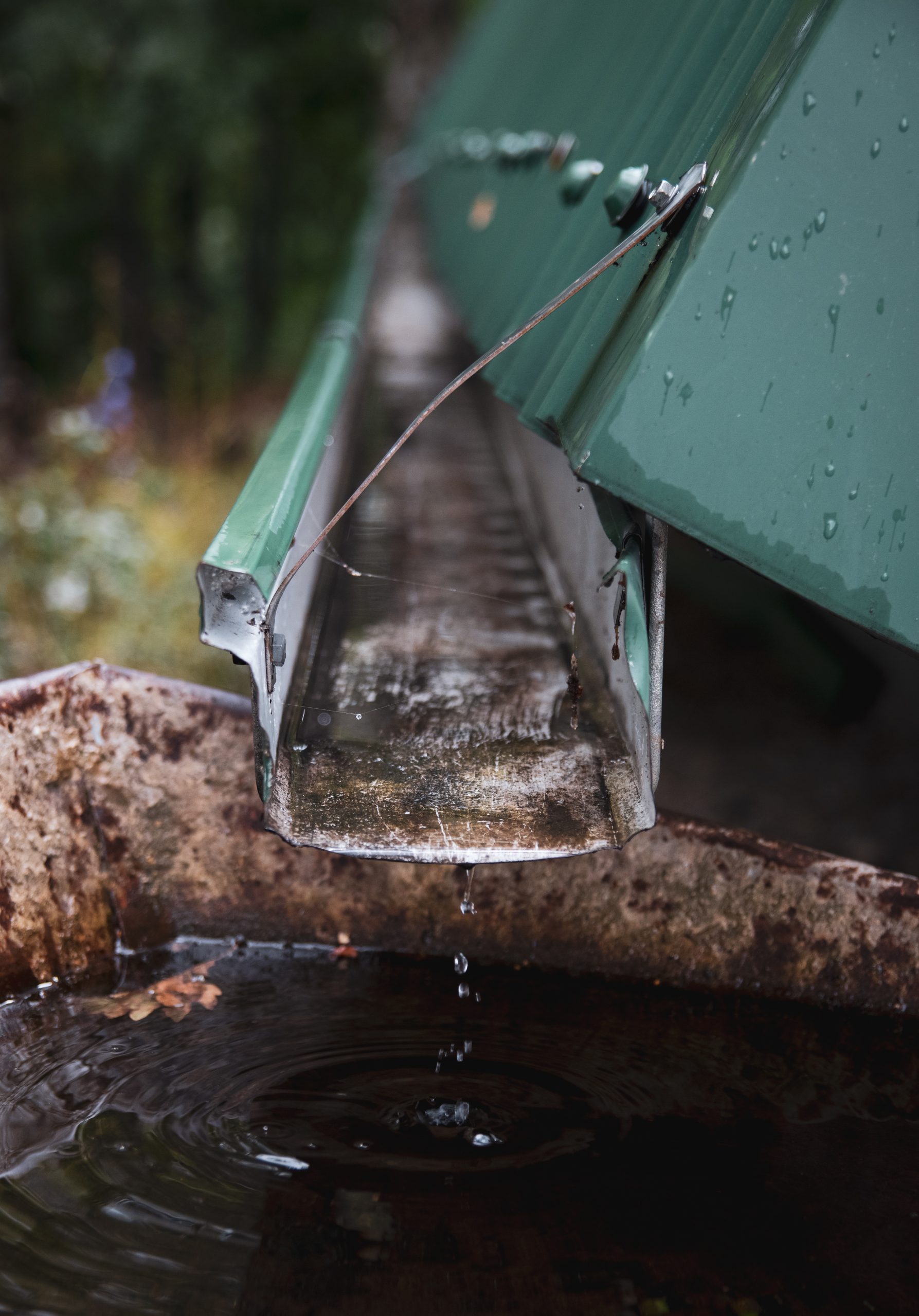
    Image credit: Image by wirestock on Freepik
  • Common Summer Roof Damage in Johannesburg (And How to Spot It Early)

    Common Summer Roof Damage in Johannesburg (And How to Spot It Early)

    Johannesburg summers bring scorching heat, sudden thunderstorms, hail, and powerful winds. While many homeowners only think about roof problems in winter, summer is actually one of the most damaging seasons for roofs in Gauteng. UV exposure, moisture, and violent storms can weaken a roof long before leaks appear.

    Spotting issues early can save thousands in repairs and prevent emergency callouts during the next storm.

    Below are the most common types of summer roof damage in Johannesburg — and how to identify them before they escalate.

    ☀️ UV and Heat Damage

    Johannesburg’s high-altitude sun causes:

    • Brittle or curling tiles
    • Cracked waterproofing membranes
    • Faded or weakened roof coatings
    • Expansion and contraction of metal sheets

    Early Warning Signs

    • Dry, chalky, or discoloured tiles
    • Fine cracks around ridge tiles
    • Loose or rattling metal sheets
    • Bubbling or peeling paint on fascia boards

    🌧️ Hail Damage

    Summer hailstorms can chip tiles, dent metal roofs, and weaken protective layers.

    Early Warning Signs

    • Round dents on metal roofing
    • Chips or fractures on concrete tiles
    • Granule loss on shingles
    • Gutters filled with tile fragments

    💨 Wind Damage

    Strong winds can lift tiles or loosen roof sheets, creating hidden entry points for water.

    Early Warning Signs

    • Misaligned or shifted tiles
    • Gaps along the roofline
    • Whistling sounds during windy weather
    • Debris trapped under lifted tiles

    🛠️ Flashing and Waterproofing Failure

    Flashings around chimneys, skylights, and valleys take heavy strain during storms.

    Early Warning Signs

    • Damp marks on ceilings
    • Rusted or lifted flashing
    • Cracks in parapet waterproofing
    • Water pooling in roof valleys

    🪜 Gutter and Downpipe Damage

    Blocked or damaged gutters cause water overflow and structural moisture problems.

    Early Warning Signs

    • Overflowing gutters in light rain
    • Sagging or pulling away from fascia
    • Moss or plants growing inside
    • Water stains on exterior walls

    🌿 Storm Debris Damage

    Branches, leaves, and debris can crack tiles or block drainage points.

    Early Warning Signs

    • Broken tiles after storms
    • Debris buildup in valleys
    • Scratches or dents on metal roofs
    • Birds nesting under lifted tiles

    How to Stay Ahead of Summer Roof Damage

    A proactive approach is always cheaper than emergency repairs:

    • Inspect your roof visually after major storms
    • Clear gutters at least twice during summer
    • Trim overhanging branches
    • Check ceilings for new damp spots
    • Book an annual professional roof inspection

    Final Thoughts

    Johannesburg’s summer weather is unpredictable, but roof damage doesn’t have to catch homeowners off guard. By knowing what to look for — and acting early — you can prevent small issues from becoming expensive repairs.

    Get a Free Roof Assessment

    Whether you’re looking to refresh your home’s appearance or protect it from future damage, our team is ready to help. Get a free quote or inspection from Johannesburg’s trusted roofing specialists.

     Contact Roof Surgeon Today or call us for expert advice.

     Call us at: 011 868 3243
     Email: admin@roofsurgeon.co.za
     Request your free quote online: www.roofsurgeon.co.za

    If you found this article interesting, please visit our Rain-Ready Roofs: Your Essential Guide to Pre-Season Maintenance in Johannesburg article for more information.

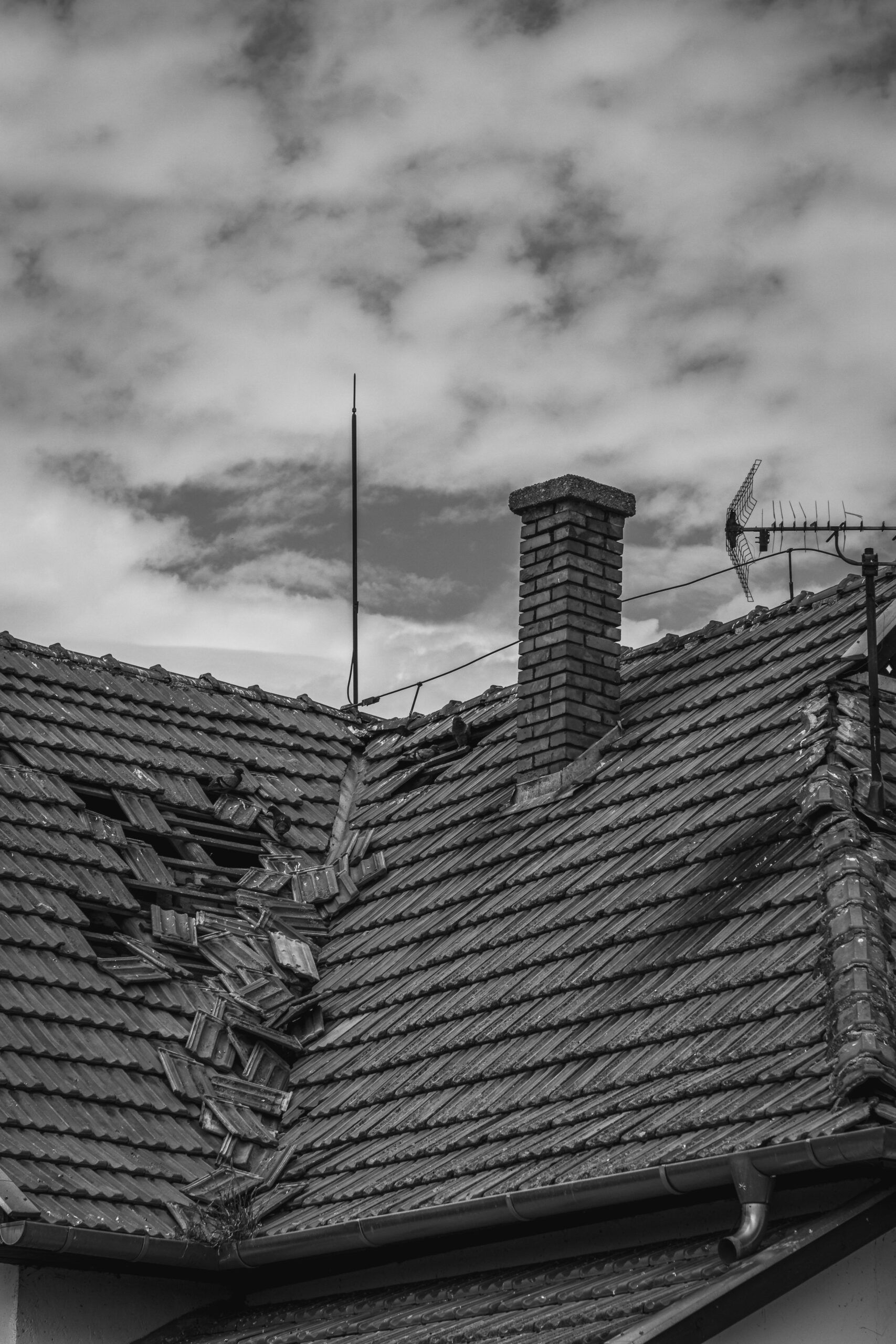
    Image credit: Photo by Andreas Ebner